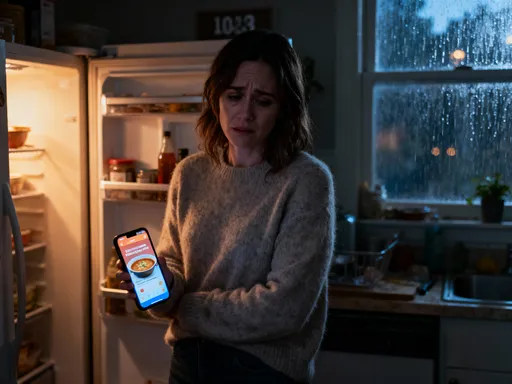
Found My Missing Child in 12 Minutes: How a Quiet Online Group Kept My Family Safe
Every parent has felt that split-second panic when their child vanishes at the park, in a store, or at a crowded event. I once stood frozen in a mall, heart pounding, unable to find my six-year-old. But this time, I didn’t scream or run wildly—I opened a familiar app, typed a quick message, and within minutes, help was on the way. That day, an online support group became our silent guardian, proving technology can be more than convenient—it can be a lifeline. It wasn’t police, security cameras, or even my own frantic search that brought my son back. It was a neighbor I’d never met, watching the same app, who spotted him near a toy store and stayed close until I arrived. In just twelve minutes, fear turned to relief—all because we were part of a digital community that cared.
The Moment Everything Changed: A Parent’s Worst Fear Comes True
It happened on a Saturday afternoon—just an ordinary trip to the mall. My son, Leo, had been holding my hand one second, then darted toward a display of remote-control cars the next. I called his name. No answer. I walked faster, checking behind kiosks, scanning every child’s back. My breath came too fast. That familiar dread crept in—the one every parent knows but hopes to never feel. I wanted to shout, to demand the world stop until he was found. But something stopped me. Instead of running in circles, I pulled out my phone and opened the app I’d joined months ago: our local neighborhood safety group.
I took a deep breath and typed: "Missing 6-year-old boy, blue jacket, black backpack, last seen near the main entrance. Please keep an eye out." I attached a recent photo—Leo grinning on his birthday, still missing a front tooth. I hit send, my fingers trembling. Within 30 seconds, replies started popping up. "I’m near the food court—will look." "Saw a boy matching that description near Toys & More—checking now." One message stood out: "Found him. I’m with him. He’s safe. Near the Lego store, third floor." I nearly cried. A woman named Sarah—someone I’d only seen in photos online—had recognized him from the picture and stayed by his side, talking calmly until I arrived. When I turned the corner and saw Leo, safe and slightly embarrassed, relief washed over me like warm rain. It wasn’t magic. It wasn’t luck. It was preparation, connection, and a simple tool we all carry—our phones—used in the smartest way possible.
What These Groups Actually Are—And Why Most Parents Overlook Them
You’ve probably seen them: neighborhood Facebook groups, local pages on Nextdoor, or city-specific WhatsApp chats. Most people think of them as places to ask about a lost dog, find a babysitter, or sell an old stroller. And yes, they do those things. But what so many of us miss is their quiet, powerful role in safety. These aren’t just chat rooms—they’re real communities made up of real people who live near you, walk the same sidewalks, shop at the same stores, and care about the same streets.
The truth is, most parents don’t think about joining until something goes wrong. By then, it’s often too late. If you’ve never posted, never commented, never introduced yourself, your emergency message might get lost in the noise—or worse, ignored. People are more likely to respond when they recognize your name, when they’ve seen your family photos, when they know you’re part of the fabric of the community. That’s the invisible thread that turns a digital group into a safety net.
Unlike official systems—where you might wait for police to file a report or security to review footage—these groups work in real time. There’s no red tape, no waiting period. Someone sees your message, reads it, and acts. It’s fast because it’s personal. And it’s effective because people care—not because they’re paid to, but because they’re neighbors. They’ve seen your kid at the park. They’ve waved at you from their porch. They know what it means to feel that fear—and they don’t want anyone to face it alone.
How It Works: From One Message to a Community on Alert
When I sent that message about Leo, I didn’t know what would happen. But the system kicked in almost instantly. The group I’m in has over 1,200 members—all local, all verified, all committed to keeping our area safe. As soon as I posted, dozens of people got a notification. Many were shopping at the same mall. Others were at home, scrolling during nap time. But within seconds, eyes were scanning crowds. Phones were out. Conversations paused.
One woman, just three blocks away, was walking her daughter to dance class when she saw the post. She didn’t just keep an eye out—she changed her route and went into the mall to help. Another man, working from his laptop at a coffee shop inside, stood up and started walking the corridors. These weren’t volunteers. They weren’t trained responders. They were ordinary people, moved by a simple post.
The key is clarity. When you report a missing child, you need to give clear details: age, clothing, location, and a recent photo. No long stories. No panic in your words. Just facts. And the photo—it’s not just helpful, it’s essential. People recognize faces faster than descriptions. That’s why Sarah spotted Leo so quickly. She’d seen him in past posts—on Halloween in his dinosaur costume, at the spring fair with a face painted like a tiger. She didn’t just see a lost boy. She saw *our* boy.
And here’s what surprised me: the group didn’t stop after Leo was found. People kept checking in. "Glad he’s safe!" "Let us know if you need anything." One mom even messaged me privately: "Happened to my daughter last year. So glad you’re okay." It wasn’t just about the emergency. It was about support. About knowing you’re not alone.
Building Trust Before the Crisis: Why You Can’t Wait Until It’s Too Late
Here’s the truth no one talks about: these groups only work if you’re already part of them. If you wait until your child is missing to join, you’re starting from zero. No one knows your name. No one trusts your post. Your message might be mistaken for a hoax or buried under others.
I’d been part of our group for nearly a year before Leo went missing. I wasn’t super active—just a comment here, a thank-you there. I shared a photo when we adopted our dog. I asked for school supply recommendations. I congratulated neighbors on new babies. Slowly, quietly, I became part of the community. And when the crisis came, that history mattered.
People responded fast because they knew me. Not in person, not deeply—but enough. They’d seen my name. They recognized my family. That small investment of time—just a few minutes a week—built trust. And trust is what turns a digital network into a real safety force.
Think of it like a smoke detector. You don’t install it when you smell smoke. You put it in place long before, so it’s ready when you need it. The same goes for these groups. Join now. Introduce yourself. Be kind. Be consistent. Don’t wait for fear to be your motivation. Be proactive, not reactive. Because when seconds count, your digital reputation—your connection to your neighbors—can make all the difference.
How to Set Up Your Family’s Safety Net in Under 20 Minutes
You can start building your safety net today—and it really does take less than 20 minutes. First, find your local group. Search Facebook for your town or neighborhood name plus "community," "parents," or "safety." Look for groups with hundreds of members, regular activity, and clear rules. Avoid ones full of arguments or spam. You want a respectful, helpful space.
Once you find the right group, request to join. Most are private, so you’ll need approval. When you’re in, take a few minutes to introduce yourself. Something simple: "Hi everyone! We just moved to Maple Street with our two kids, ages 5 and 7. Excited to be part of the neighborhood!" Add a family photo—nothing too personal, just a happy moment from the park or a holiday. This helps people put a face to your name.
Next, do a quick safety check. Make sure your phone has the group’s app or bookmarked page. Turn on notifications for urgent posts if the platform allows it. Consider sharing a recent photo of your child once a year—during back-to-school season or their birthday. Not for every post, but so people know what they look like now. Kids grow fast, and a two-year-old photo won’t help if they go missing at age six.
Finally, encourage other parents you know to join. The stronger the network, the safer everyone is. You could even start a small chat with a few trusted neighbors—just a simple WhatsApp group for your block. The goal isn’t to share everything, but to create a circle of people who will notice, care, and act when it matters most.
Beyond Lost Kids: Other Ways These Groups Protect Families
Since Leo’s incident, I’ve seen our group help in so many other ways. Last winter, an elderly man from our neighborhood wandered off during a snowstorm. His daughter posted a description and a photo. Within 20 minutes, someone spotted him walking slowly down Elm Street and stayed with him until family arrived. The same group later warned us about a string of package thefts, helping several families secure their deliveries.
One mom shared that her dog had slipped out the front gate. Two hours later, a neighbor two streets over recognized the dog from the post and brought him home. Another time, a sudden storm knocked out power. People started posting updates: which streets had lights, where to find generators, which pharmacies were open. It became a real-time support hub.
These groups aren’t just for emergencies. They build awareness. They create a sense of shared responsibility. When someone sees something unusual—a strange car circling, a person acting oddly—they post it. Not to spread fear, but to alert others. And because the group is local, the information is relevant and trustworthy.
For families, this is peace of mind. It’s knowing that even when you’re not watching, others might be. That if your child gets separated, your pet escapes, or your parents need help, there’s a community ready to respond. It’s not about fear. It’s about readiness. About being part of something bigger than yourself.
The Quiet Power of Caring Strangers: Technology with a Human Heart
Looking back, I realize it wasn’t the app that saved the day. It was the people behind the screens. The woman who changed her path to help. The man who stood guard by a lost child. The dozens who read my message and stayed alert. Technology made it possible, but humanity made it real.
That’s the beauty of these groups—they blend the best of both worlds. The speed of digital connection with the warmth of human care. They remind us that we’re not isolated, even in a world that often feels disconnected. That help can come from someone you’ve never met, in a moment you least expect it.
As a mom, I can’t control everything. I can’t be everywhere. But I can prepare. I can connect. I can be part of a community that looks out for each other. And now, when I feel that old fear rise—when Leo runs ahead or disappears around a corner—I don’t freeze. I breathe. Because I know I’m not alone. I have a village. Not one made of fences and gates, but of shared care, quick messages, and quiet heroes who show up when it matters.
So if you’re reading this and haven’t joined your local group yet—do it today. Not because you’re afraid, but because you care. Care about your family. Care about your neighbors. Care about building a safer, kinder world, one post at a time. Because the next time someone’s child goes missing, it might be your message that helps. And that? That’s the real power of technology—not in the code, but in the connection it creates.