What If Your Home Could Keep Up With Your Life—Before You Even Ask?
Imagine waking up feeling refreshed, your home already adjusting the lights and temperature just the way you like. Your morning coffee starts brewing as your schedule syncs silently in the background. No frantic searches for keys or forgotten to-dos. This isn’t magic—it’s smart scene settings working quietly with your rhythm. What if technology didn’t just respond, but anticipated? For women juggling family, work, and personal well-being, the idea of a home that supports rather than adds to the load is more than convenient—it’s transformative. This is not about flashy gadgets or complex wiring. It’s about creating a space that knows you, respects your time, and helps you breathe a little easier every single day.
The Morning Rush That Doesn’t Have to Be
We’ve all been there—racing against the clock, forgetting lunchboxes, spilling coffee while checking emails, or realizing too late that the thermostat is set to Arctic mode. Mornings can feel like a never-ending to-do list with no time to actually live. But what if your home could help you start calm and centered, not frazzled and behind? That’s where smart scene settings come in, quietly transforming chaos into calm with just a few simple setups. Imagine your bedroom lights slowly brightening 20 minutes before your alarm, mimicking sunrise to help your body wake up naturally. No more jolting awake to a blaring noise. Instead, your body eases into the day, and your mind feels more in control from the very first breath.
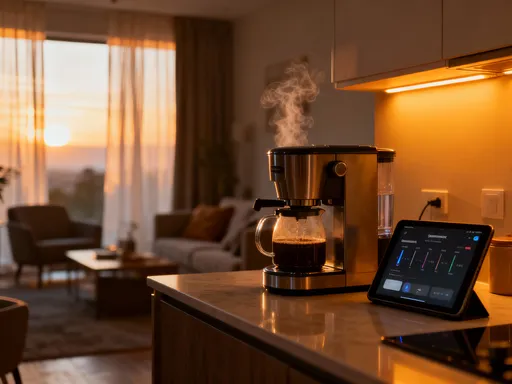
Now picture this: as you step into the kitchen, your coffee maker is already brewing your favorite blend because it knows your routine. The living room lights turn on gently, and your smart speaker plays a short morning briefing—just the weather and your top three calendar events—so you’re not overwhelmed by too much information at once. Even the thermostat adjusts to your preferred morning temperature, so you’re not reaching for a sweater the moment you leave the shower. These aren’t futuristic fantasies. They’re real, accessible features built into today’s smart home systems. And the best part? You don’t need to be a tech expert to set them up.
Creating a “Gentle Start” scene is easier than you think. Most smart home platforms—like Google Home, Apple Home, or Amazon Alexa—let you group devices and trigger them with a single command or schedule. You can set it to activate based on time, your alarm, or even your wearable’s sleep data. For example, if your fitness tracker detects you’ve woken up, it can signal your lights to turn on and your blinds to open slightly. The key is syncing your calendar. When your first meeting is at 9 a.m., your home knows to start the routine earlier on workdays and let you sleep in on weekends. It’s not about replacing your choices—it’s about honoring them. You’re still in charge. Your home is just helping you show up as your best self, without the extra effort.
When the Kids Come Home: Safety and Simplicity Combined
As a parent, one of the most common worries is whether your kids get home safely after school. Did the bus drop them off on time? Are they starting homework, or diving straight into video games? Constant texting or calling can feel intrusive, but not knowing can feel worse. What if your home could give you peace of mind without the nagging? Smart scene settings make this possible—offering a gentle, supportive way to stay connected without hovering. Picture this: the moment your child’s phone enters the driveway’s geofence, a soft light turns on in the hallway. Their favorite welcome playlist starts playing at low volume, making the house feel warm and alive. At the same time, you get a simple notification: “Emma is home.” No stress. No guessing. Just reassurance.
But it doesn’t stop there. You can set up a “Homework First” scene that automatically disables gaming consoles or limits tablet access during designated study hours. The TV won’t turn on, and game systems go into standby mode—unless it’s a weekend or a holiday, of course. These rules can be customized by child, so your teenager might have different boundaries than your younger one. Voice profiles on smart speakers can even recognize who’s speaking and respond with personalized reminders: “Hi, Jake. Don’t forget—math homework before Minecraft!” It’s not about control; it’s about creating structure that helps kids build good habits without constant parental intervention.
And for younger children, the benefits are even more comforting. Imagine a scene that turns on a nightlight in the kitchen, warms a glass of milk in the microwave (if you have a smart oven), and plays a five-minute story on the speaker—something familiar and calming after a long school day. These small touches make the house feel like it’s looking out for them, even when you’re not physically there. You’re not replacing your role as a parent. You’re simply giving yourself a helpful ally—one that supports your values and keeps the peace at home. Plus, when routines are automated, there are fewer battles over screen time or homework. That means less friction, more harmony, and more energy for what really matters: connection.
Dinner Time, Solved
Let’s be honest—dinner is often the hardest part of the day. Between grocery fatigue, cooking burnout, and the endless “What’s for dinner?” questions, it’s easy to feel defeated by the time the sun goes down. And if you’re stuck in traffic while everyone at home is getting hangry, the stress multiplies. But what if your kitchen could prepare *with* you, not wait for you? Smart scene settings can turn mealtime from a daily hurdle into a smooth, almost effortless ritual. Imagine pulling into your driveway and walking into a home where the slow cooker has already started because your GPS showed you were five minutes away. Or your oven preheated itself 15 minutes ago so you can pop in that casserole without delay.
Even the lighting can shift to support the mood. A “Dinner Mode” scene can dim the overhead lights, turn on warm under-cabinet lighting, and play soft background music—creating a cozy, inviting atmosphere that makes everyone want to linger at the table. No more eating in silence while staring at screens. This kind of ambiance encourages conversation, connection, and a real sense of family time. And for those nights when you’re too tired to cook, your smart speaker can suggest recipes based on what’s in your fridge—especially if you have a smart inventory system—or even order groceries for delivery with a simple voice command.
The real magic happens when you link real-time data to your home. For example, if traffic is heavier than usual, your home can detect the delay and adjust cooking times automatically. That means no more overcooked meals or cold food waiting too long on the table. You can also set up reminders for meal prep earlier in the day—like a gentle chime at 4 p.m. that says, “Time to start thawing dinner” or “Don’t forget the rice!” These small nudges keep you on track without adding mental load. And for families with dietary needs or allergies, smart devices can flag ingredients or suggest substitutions, making meal planning safer and less stressful. Dinner shouldn’t be a source of dread. With a little tech support, it can become a highlight of the day—one where everyone feels fed, seen, and calm.
Unwinding Without the Effort
Evenings should be about recharging, not making more decisions. Yet so many of us spend this precious time fumbling for remotes, adjusting lights, or debating what to watch. By the time we finally sit down, we’re too drained to enjoy it. What if you could skip all that? A single “Wind Down” command can transform your living space in seconds. Lights dim to a warm, low glow. The thermostat adjusts to a cooler, sleep-friendly temperature. Your favorite relaxation playlist starts playing softly in the background. Maybe the TV turns on to your most-watched show, already paused at the next episode. No searching. No scrolling. Just comfort, ready when you are.
The beauty of this scene isn’t just convenience—it’s emotional relief. After a long day of managing schedules, emotions, and responsibilities, the last thing you need is another task. Your home should feel like a safe harbor, not another to-do list. And personalization makes all the difference. Maybe your “Wind Down” scene includes a diffuser releasing a calming lavender scent, or your smart blinds closing slowly to block out streetlights. Perhaps it silences notifications on shared screens so the family can disconnect together. These details aren’t about luxury—they’re about care. They tell your brain, “You’re safe now. You can let go.”
And it’s not one-size-fits-all. Your partner might prefer a brighter reading light in the bedroom, while you like total darkness. Smart homes can accommodate both. Voice profiles or individual schedules ensure that when you say, “Goodnight,” your environment responds to *you*, not a generic setting. Even better, some systems learn over time. If you consistently lower the lights at 8:30 p.m., the system can suggest making it automatic. It’s not about replacing your habits—it’s about honoring them. You’re not losing control. You’re gaining freedom—the freedom to relax deeply, without lifting a finger.
Sleeping Smarter, Not Harder
Quality sleep isn’t just about turning off the lights and hoping for the best. It’s about consistency, environment, and listening to your body. Yet so many of us rely on rigid bedtime alarms or habits that don’t account for how we actually feel. What if your bedtime routine adjusted to *your* fatigue level, not just the clock? Smart scene settings can do exactly that—especially when they work with your wearable devices. If your fitness tracker detects that you’re already in a relaxed state by 9 p.m., your home can start your “Sleep Mode” early: dimming lights, lowering the thermostat, and silencing notifications across devices.
At the same time, blue-enriched lighting—like what comes from screens—can gradually shift to warmer tones, helping your brain produce melatonin naturally. Smart bulbs can mimic this sunset effect, making it easier to wind down without feeling forced. Even your sound system can play a custom wind-down playlist, starting with gentle acoustic music and fading into white noise or nature sounds as you drift off. And if you use a smart diffuser, it can release a sleep-supporting blend like chamomile or cedarwood at the perfect moment.
The real game-changer is integration. When your smart home talks to your health data, it stops being a set of routines and starts feeling like a true partner in well-being. For example, if you had a particularly stressful day—your heart rate stayed elevated, or your steps were low—your home might suggest an earlier bedtime or a longer wind-down period. It won’t force anything. But it will offer gentle support, like a friend who notices you’re tired and says, “Hey, maybe it’s time to rest.” Over time, these small cues help build better sleep hygiene without pressure. And for women managing hormonal changes, busy schedules, or caregiving roles, quality rest isn’t a luxury—it’s a necessity. A smart home that supports sleep isn’t just convenient. It’s a form of self-care.
The Weekend Reset You Didn’t Know You Needed
Weekends are supposed to be for recharging, but too often, they get taken over by chores. Laundry, vacuuming, grocery shopping, meal prep—it can feel like you’re working a second job. What if your home could help you reclaim that time? A “Clean & Refresh” scene can activate your robot vacuum the moment you finish breakfast, so it’s out of the way by lunchtime. Smart windows can open automatically when the weather is nice, letting in fresh air and natural light. And your speaker can start playing upbeat music to make cleaning feel lighter, even enjoyable.
Imagine this: you’re sipping your coffee, listening to your favorite podcast, and your home is quietly handling the basics. The dishwasher runs its sanitize cycle. The laundry machine switches to the next load. Even your smart oven preheats for Sunday meal prep at the perfect time. These aren’t futuristic dreams—they’re real, simple automations that free up hours every week. And because they happen in the background, you don’t feel overwhelmed. You just feel… relieved. The house is working for you, not the other way around.
You can even schedule deep-cleaning tasks during times you’re already busy—like when you’re on a Zoom call or helping the kids with homework. That way, maintenance doesn’t steal your free time. It fits into the gaps. And for families, this shared rhythm reduces tension. No more nagging about chores or fighting over who forgot to empty the trash. The home handles it, fairly and consistently. Plus, when chores feel effortless, you’re more likely to keep up with them—meaning a cleaner, calmer space all week long. That’s not just convenience. That’s peace of mind.
Making It Yours: Simple Steps to Personalize Your Smart Home
You don’t need a tech degree to create a smart home that truly fits your life—just a little curiosity and a willingness to start small. The goal isn’t perfection. It’s peace. Begin by auditing your daily rhythm. Where do you feel rushed? Where do you wish you had more support? Maybe it’s the morning scramble, the after-school chaos, or the nightly debate over screen time. Pick one pain point and match it with a simple automation. Start with devices you already own—like a smart speaker or a Wi-Fi light bulb. Most systems are designed to be user-friendly, with step-by-step setup guides and voice-assisted help.
Compatibility is key, so stick to platforms that work together—like devices that connect to Google Home, Apple Home, or Amazon Alexa. You don’t need everything at once. Try a “Good Morning” scene with just two devices: your lights and your coffee maker. Test it for a few days. Adjust the timing. See how it feels. When it works, add another layer—like syncing it to your calendar. The more you use it, the more natural it becomes. And don’t worry about making mistakes. Automation is flexible. You can change, pause, or delete scenes anytime.
Most importantly, make it personal. This isn’t about impressing anyone. It’s about creating a home that reflects *your* needs, *your* values, and *your* rhythm. Maybe your “Family Time” scene turns on soft lighting and plays board game music. Maybe your “Me Time” scene dims the bathroom lights, starts a playlist, and draws a bath if you have a smart tub. These moments matter. They remind you that your well-being is important. A smart home isn’t cold or robotic—it’s warm, responsive, and deeply human. It’s not about replacing your role in the family. It’s about giving you more space to be present, to breathe, to thrive. What if your home didn’t just keep up with your life—but helped you love it a little more? That’s not just possible. It’s already here.