From Frantic to Focused: How Sleep Tech Quietly Transformed Our Days Together
We’ve all been there—rushing through mornings, missing each other’s cues, feeling like we’re living in the same home but on different schedules. I used to think “quality time” meant long weekends or grand plans. But what changed everything was realizing it’s the tiny, quiet moments that matter most. When my partner and I started using simple sleep-tracking tools not just for health, but as a way to sync our lives, something unexpected happened: we began *showing up* for each other again—calmer, clearer, and more present than before. It wasn’t magic. It was data, used with care, helping us rebuild the rhythm we’d lost.
The Hidden Chaos of “Together, Yet Apart”
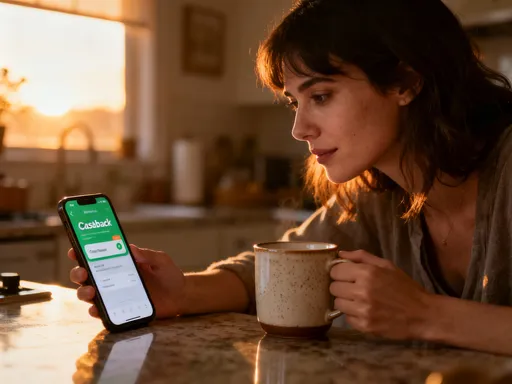
Have you ever stood in the kitchen at 7 a.m., both of you half-dressed, one searching for keys, the other trying to wake up a sleepy child, and realized you haven’t really looked at each other all week? That was us. We weren’t fighting. We weren’t drifting apart emotionally. But we were living like roommates on rotating shifts. My partner is an early riser; I’ve always needed more time to wake up. He’d be up by 5:30, already checking emails before the house stirred, while I’d hit snooze three times, dragging myself into the day feeling like I’d lost a race before it even started.
Our evenings weren’t much better. He’d want to talk after dinner, but I was already zoning out on the couch, brain fogged from a long day. Or I’d finally feel chatty at 9 p.m., only to find him already in bed, lights off. We kept missing each other—not out of neglect, but because our energy levels, our alertness, our very biology, were out of sync. We were together, yet living in different time zones under the same roof.
And it wasn’t just the timing. The lack of rest was making everything sharper—small comments felt like criticisms, little tasks turned into frustrations. I’d snap about dirty dishes; he’d sigh over the laundry pile. We weren’t angry people, but exhaustion was turning us into strangers who shared a Wi-Fi password. I started to wonder: if we could just *feel* better, would we treat each other better? Could better sleep be the quiet fix we didn’t know we needed?
Discovering Sleep Tracking as a Shared Language
The shift began with a gift—a simple sleep tracker, the kind that slips onto your wrist like a watch. I bought it for myself, curious about my restless nights. But within days, my partner asked, “So, how’d you sleep?” not as a polite question, but with real interest. I pulled up the app and showed him the graph: “Look, only 48 minutes of deep sleep. No wonder I felt like a zombie.” He leaned in, intrigued. Then he said, “Huh. I had 84 minutes. Slept like a log.”
That moment was small, but it opened a door. Suddenly, we weren’t guessing how the other felt—we had a gentle clue. Instead of “You seem off today,” it became “I saw your light sleep was high last night. Rough one?” That tiny shift—from assumption to observation—changed the tone of our conversations. It wasn’t about blaming or fixing. It was about noticing. And in that noticing, we found a new kind of closeness.
We started comparing patterns. “You were restless between 2 and 3 a.m.—was the dog barking?” or “Your heart rate stayed low all night. That nap must’ve helped.” These weren’t clinical reports. They were invitations to share. The data became a bridge, not a report card. It helped us speak a new language—one of care, not critique. And the best part? It didn’t require big changes. Just attention. Just curiosity. Just the willingness to say, “I see you. And I care how you’re really doing.”
Aligning Sleep, Aligning Schedules
Once we could *see* our sleep, we could plan around it—like weather forecasts for our energy levels. This was a game-changer. Before, we’d plan a big Saturday morning hike, only for one of us to bail last minute because we felt awful. Or we’d schedule a quiet night in, only to find the other was wide awake and wanting to go out. The mismatch wasn’t about commitment—it was about mismatched energy.
Now, Friday nights include a quick check-in: “How’d you sleep this week? Feeling energized or wiped?” If my data shows three nights of poor sleep, we might swap plans. Instead of a crowded farmers’ market, we opt for a slow coffee walk around the block. If he’s had solid rest, he might take the lead on breakfast with the kids, giving me extra time to ease into the day. It’s not about dependency—it’s about flexibility. About using information to protect our time together, not sabotage it.
One morning, I woke up groggy, my tracker showing only five hours of broken sleep. Before I could even complain, my partner said, “You’re on dog duty tomorrow. Tonight, I’ve got bedtime with the kids.” I was stunned. He wasn’t annoyed. He wasn’t keeping score. He was just… helping. Because he *knew*. And that knowledge let him act with kindness instead of waiting for me to crash. That’s the power of shared sleep data—it turns empathy into action, before the stress even builds.
From Data to Daily Rituals
Numbers alone don’t change habits. But they can inspire small, meaningful shifts. We didn’t turn into sleep perfectionists. No white noise machines in every room or strict 8 p.m. cutoffs. Instead, we used the insights to build tiny rituals that felt good, not rigid. For us, it started with one question: “What could help us both wind down?”
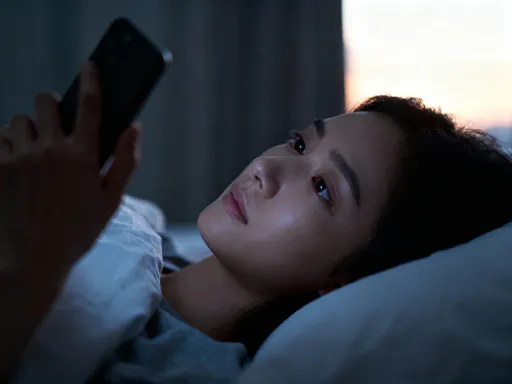
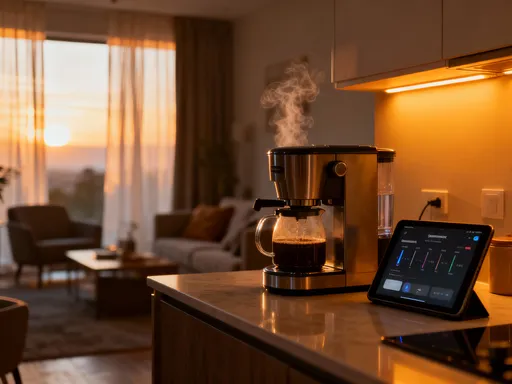
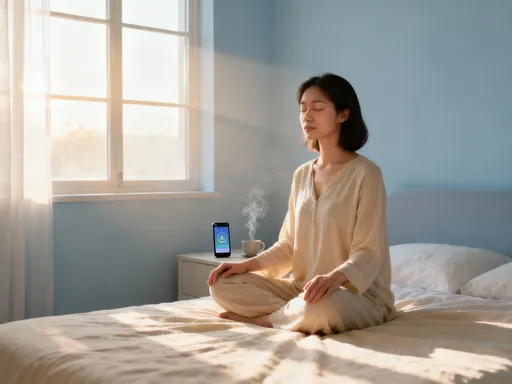
We noticed that on nights we scrolled through our phones in bed, our sleep scores dropped. So we created a “no screens after 9” rule—not as a punishment, but as a shared agreement. Now, that hour before bed is ours. Sometimes we read side by side. Other times, we brew herbal tea and talk about the day—really talk, without distractions. We even started dimming the lights earlier, using smart bulbs that shift to warmer tones. It sounds small, but that hour of quiet connection has become something we both look forward to.
We also set one shared goal: be in bed with lights out by 10:30 at least four nights a week. Not because we’re chasing perfect data, but because we’ve seen how it helps. When we hit that goal, we feel it the next day—more patience, more laughter, more presence. And when we miss it? No guilt. Just a gentle “Let’s try again tomorrow.” The tracker doesn’t shame us. It reminds us. And over time, those reminders became habits. Not because the tech demanded it, but because we learned what feels better—and we want that for each other.
Reclaiming Fragmented Time
Here’s what surprised me most: better sleep didn’t just give us more energy. It gave us more *attention*. And attention is the real currency of connection. Before, our mornings were a blur of tasks—make coffee, pack lunches, find shoes. Now, when we’re both well-rested, those same moments feel different. I actually notice the way my partner hums when he makes toast. He sees me smile when the dog does something silly. We’re not just going through the motions—we’re *in* them.
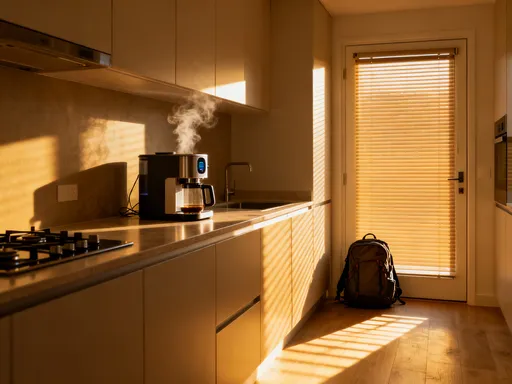
One Tuesday, we were both up early, kids still asleep. We stood in the kitchen, sipping coffee, watching the sun rise through the window. No big agenda. No deep conversation. Just being there. And I thought, “This. This is what I’ve been missing.” That 15-minute pause wasn’t planned. It wasn’t on the calendar. But because we were both alert and calm, we could *feel* it. We could be present. Sleep tech didn’t create that moment—but it made it possible.
It’s the same with evening walks or weekend errands. When we’re tired, they feel like chores. When we’re rested, they become chances to connect. We talk more. We laugh more. We notice things—the new flowers at the grocery store, the way the light hits the trees in the park. The world feels richer. And so does our relationship. It turns out, rest doesn’t steal time from life. It gives time *back*—in the form of presence, awareness, and quiet joy.
When One Sleeps, Both Benefit
Sleep isn’t a solo act. It’s a team sport. And when one of us sleeps better, the whole household breathes easier. I’ve seen it again and again. When my partner gets solid rest, he’s more patient with the kids. He doesn’t snap when someone spills cereal. When I sleep well, I’m more willing to help with chores, more open to conversation. It’s like a ripple—better rest in one person lifts the mood of everyone around them.
We’ve also noticed fewer arguments. Not because we’ve solved all our differences, but because we’re less reactive. When you’re exhausted, a small comment can feel like an attack. When you’re rested, you can pause. You can ask, “Did you mean that the way it sounded?” instead of firing back. We’ve learned to say, “I’m feeling low today—can we table this talk?” and actually mean it. No drama. No blame. Just honesty.
And the house? It runs smoother. Dishes get done without reminders. Laundry gets folded without sighs. It’s not that we’re doing more—it’s that we’re doing it with less resistance. Because we’re not running on empty. We’re not carrying the weight of yesterday’s poor sleep. We’re showing up, not just surviving. And that shift—from survival to presence—changes everything. It’s not about being perfect partners. It’s about being *available* partners. And that availability starts with rest.
Rest as a Shared Act of Care
In the end, using sleep tech together wasn’t about chasing better numbers. It was about sending a quiet message: *I care how you feel. I want us to be at our best.* It turned self-care into shared care. Instead of retreating into our own worlds to “recharge,” we started recharging *together*. We created space for rest not as a luxury, but as a foundation—for our health, our home, our love.
Technology often gets blamed for pulling us apart. But used with intention, it can pull us back together. This little device on our wrists didn’t replace conversation. It deepened it. It didn’t automate our relationship. It humanized it. By helping us understand each other’s rhythms, it taught us to move with them—gently, kindly, in step.
Today, our mornings are calmer. Our evenings are warmer. Our connection is stronger. Not because we’ve done anything grand, but because we’ve learned to honor the small things—like sleep, like presence, like showing up for each other with softer edges and fuller hearts. If you’ve ever felt like you’re living parallel lives under one roof, I want you to know: it doesn’t have to stay that way. Sometimes, the quietest tools bring the loudest change. And sometimes, the most powerful thing we can do for each other is simply… rest well, together.