From Overwhelmed to in Control: How Simple Phone Settings Gave My Parents Back Their Calm
Imagine getting 50 pings a day—news alerts, app reminders, ads that scream “Buy now!”—and not knowing which ones matter. That was my parents’ reality. They’d miss important calls because their phones were drowning in noise. Then we made a few quiet changes. Now? They answer the right calls, smile at their screens, and actually enjoy using their phones. This isn’t about tech magic—it’s about peace, one tap at a time. And if you’ve ever seen a loved one struggle with their device, you know how deeply this kind of calm can matter.
The Daily Chaos: When Notifications Become a Burden
My mom used to keep her phone face down on the kitchen counter. Every time it buzzed, she’d flinch like it had startled her. “Is it important?” she’d ask, not sure if it was her daughter calling or just another ad for shoes she didn’t need. One afternoon, she missed a call from her doctor’s office because three other alerts had popped up at the same time—two from social media and one from a weather app warning about rain that never came. By the time she checked, the voicemail had expired. That moment wasn’t just inconvenient—it left her feeling helpless. She wasn’t ignoring her health; her phone was making it too hard to see what mattered.
For many older adults, the smartphone has become less a tool and more a source of stress. It’s not that they dislike technology. In fact, most want to stay connected, informed, and independent. But the way phones are set up by default—with constant pings, flashing icons, and pop-ups—can make even simple tasks feel overwhelming. Think about it: when your screen lights up every few minutes, it’s hard to focus on anything else. It’s like trying to read a book in the middle of a busy train station. The noise doesn’t stop, and neither does the anxiety.
I’ve watched friends and family members grow wary of their devices. One neighbor told me she turned off her phone every night because the morning flood of notifications made her feel behind before she even started her day. Another said she stopped using her messaging app altogether after accidentally sending a photo to the wrong person—something that happened because two chat windows looked too similar. These aren’t small frustrations. They chip away at confidence. And when someone starts to doubt their ability to use a device, they begin to pull back from using it at all. That’s when isolation can creep in—quietly, slowly, and often unnoticed.
Why Older Users Are Hit Harder
It’s not just about being “bad with tech.” The truth is, our brains change as we age. Processing speed slows a little. Multitasking becomes harder. And when ten alerts hit at once, it’s not just annoying—it’s exhausting. Imagine sitting at a dinner table where everyone is talking at the same time. You might catch a word here and there, but the full conversation gets lost. That’s what a cluttered notification screen feels like for many older users. The information is there, but it’s too loud, too fast, too much.
Studies show that excessive digital stimulation can increase mental fatigue and reduce decision-making clarity, especially in later life. But you don’t need a research paper to see it. Just watch someone try to sort through a screen full of icons, each blinking with a different message. Should they tap the red number on the messaging app? Is the yellow envelope urgent? What does the little bell mean now? Each question takes energy. And when energy is limited, even small decisions can feel like big ones. That’s why many older adults end up ignoring their phones altogether. It’s not laziness or resistance—it’s self-protection.
And here’s something we often forget: not all notifications are created equal. A text from your grandchild saying “I love you” brings joy. A pop-up saying “50% off vacuum cleaners!” brings clutter. But on most phones, they look the same. Same sound, same size, same urgency. That’s where the system fails. It treats every message like an emergency, even when most are just noise. And over time, that noise starts to feel like a threat. That’s why some people develop a real sense of dread around their devices. They’re not afraid of technology—they’re afraid of being overwhelmed by it.
The Turning Point: A Family Moment That Changed Everything
The real shift started with one missed call. My aunt had been in the hospital, and she finally had a moment to talk. She called my mom, hoping to hear her voice. But at that exact moment, my mom’s phone lit up with five different alerts—three from apps she didn’t even remember downloading, one from a delivery service about a package she hadn’t ordered, and a breaking news alert about a storm hundreds of miles away. Distracted, she swiped the screen without checking who was calling. By the time she realized it was her sister, the call had gone to voicemail. She called back immediately, but her sister was already asleep. When they finally connected the next day, my mom was near tears. “I don’t want to miss these moments,” she said. “But I can’t keep up.”
That conversation stayed with me. I knew I couldn’t fix everything overnight, but I could start. The next weekend, I sat down with her and my dad, not to teach them how to use their phones “better,” but to make their phones work better for them. We didn’t add any new apps or buy any gadgets. We didn’t even touch the camera or the internet browser. Instead, we went straight to the settings—specifically, the notifications. The goal wasn’t to make their phones smarter. It was to make them kinder.
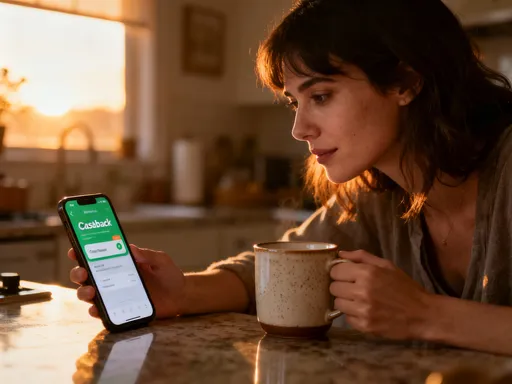
What surprised me most was how quickly the mood changed. As we turned off one noisy app after another, my mom started to relax. “I didn’t even know I could stop those,” she said, watching a shopping app’s alert switch from “on” to “off.” Each small change felt like lifting a weight. And when we set up her phone to ring only for calls from family and close friends, she smiled for the first time in weeks when her daughter’s name appeared on the screen. That moment wasn’t about technology. It was about connection. And it proved something simple but powerful: sometimes, the best tech support isn’t about doing more—it’s about doing less.
Taming the Noise: Notification Settings That Actually Help
Let’s be honest—most of us never touch the notification settings on our phones. We accept the defaults, even when they don’t serve us. But changing them is easier than you think, and the results can be life-changing. The first step we took was simple: go to Settings, then Notifications. From there, we scrolled through the list of apps, one by one. For each one, we asked: “Does this make my life better, or just busier?” If the answer was “busier,” we turned it off.
We started with the obvious ones—games, shopping apps, and social media. My dad loved a word puzzle game, but he didn’t need a chime every time he could play the next level. So we kept the app but silenced the alerts. Same with the grocery delivery app. He used it often, but he didn’t need a push message every time a new sale started. We kept the app functional but quiet. Then we moved to email. Instead of getting a ping for every incoming message, we set it to notify only for emails from family and important contacts. Everything else? Checked on his schedule, not the phone’s.
The biggest change came with calls. We made sure that only people in their contacts could ring through. Anyone else? Sent straight to voicemail. We also turned off all “repeated” alerts—those extra buzzes that happen when you don’t answer right away. For someone already feeling anxious, those felt like punishment. And we replaced the default ringtone with a slower, gentler sound—something warm and familiar, not jarring. These weren’t complicated steps. No coding, no downloads, no fees. Just thoughtful choices that put people first.
One of the most powerful tools we used was the “Do Not Disturb” schedule. We set it to turn on every night from 8 p.m. to 7 a.m. During that time, only emergency contacts could get through. At first, my parents worried they’d miss something important. But after a week, they said they slept better. “I’m not waiting for the next buzz,” my mom said. “I can just rest.” That’s when I realized: peace isn’t the absence of technology. It’s the presence of control.
Designing for Calm: Features That Support Slower, Safer Use
Most modern phones come with built-in features designed to reduce stress and support mindful use. The problem? Most people don’t know they exist. Take Focus Mode—available on both iPhones and Android devices. It lets you silence distractions while keeping what matters active. We set mine up for “Family Time,” which automatically hides work emails, social media, and news alerts during dinner and evening hours. My parents loved the idea, so we created a “Calm Hours” version for them. During that time, only calls from grandchildren and close relatives come through. Everything else waits.
We also turned on Larger Text and Bold Fonts in the Display settings. Small text can make reading stressful, especially for those with vision changes. Bigger, bolder letters made messages easier to read and reduced eye strain. We paired that with a high-contrast wallpaper—light background, dark icons—so important buttons stood out clearly. These aren’t flashy upgrades. But for someone who just wants to see their screen without squinting, they make a world of difference.
Another game-changer was the Emergency SOS feature. We walked through how to quickly call for help by pressing the power button five times (or holding it with the volume button, depending on the phone). We added two emergency contacts—me and my sister—so if they ever needed help, their phone would send us a location and alert automatically. Just knowing that safety net was in place gave them more confidence to use their phones independently. No more fear of getting lost or needing help but not being able to reach anyone.
We didn’t stop there. We used the Accessibility settings to enable VoiceOver for occasional use—just in case reading gets harder in the future. And we turned on Screen Time (or Digital Wellbeing on Android) to track usage. Not to judge or limit, but to understand. When my dad saw he was spending 45 minutes a day on the news app, he decided to cut back. “I didn’t even realize I was doing that,” he said. Awareness, not guilt, was the goal.
The Ripple Effect: Confidence, Connection, and Independence
What happened next surprised all of us. Within weeks, my parents started texting more. Not just short replies, but full messages with emojis and photos. They began scheduling video calls with the grandkids—something they’d avoided before because they worried about “doing it wrong.” Now, they even send voice messages when their fingers don’t move as fast as they used to. “It’s easier than typing,” my mom said with a laugh. “And they love hearing my voice.”
But the real shift was deeper. They weren’t just using their phones more—they were using them with confidence. They started exploring new apps, like a gardening guide and a classical music player. They looked up recipes, checked the weather, and even booked a doctor’s appointment online. None of this was forced. It happened naturally, because the fear was gone. When technology stops feeling like a threat, it becomes a tool again. And tools, when used well, give us freedom.
That freedom extends beyond the phone. Feeling in control of their device made them feel more in control of their lives. They were less anxious, more present, and more willing to try new things. My dad, who once refused to use GPS, now uses it when he drives to a new place. “I don’t have to memorize everything,” he said. “The phone helps me remember.” That’s not dependence—that’s empowerment. And it’s proof that small changes can lead to big transformations.
A Little Tech, A Lot of Care: Building Habits That Last
This journey wasn’t about making my parents “tech-savvy.” It was about making technology serve them, not the other way around. And the most important part wasn’t the settings we changed—it was the time we spent together. We didn’t fix everything in one day. We checked in weekly, celebrated small wins, and adjusted as needed. When a new app update changed something, we sat down and figured it out. No rush. No judgment. Just support.
If you’re helping a parent, grandparent, or older friend, remember this: you don’t have to be an expert. You just have to be patient. Start with one setting. One conversation. One moment of connection. Ask, “What feels stressful about your phone?” Listen. Then act together. The goal isn’t perfection—it’s peace. And the best technology is the kind you don’t even notice, because it’s working quietly in the background, giving you more space for what really matters.
Today, my parents’ phones are calm. Their screens are clean. Their smiles are real. They’re not afraid of their devices anymore. And every time the phone rings, they know—without checking—who it’s likely to be. That’s not magic. It’s mindfulness. It’s care. It’s love, shaped by a few simple taps. And if that’s what technology can do, then maybe it’s not so scary after all. Maybe, just maybe, it can help us live better, one quiet moment at a time.